How to Calculate Numerology Numbers Without Mixing Rules
How to Calculate Numerology Numbers Without Mixing Rules with practical checks, context, and clear limits.
Quick Answer: Calculating numerology depends on the system being used. A useful result records the input, chart, reduction steps, and interpretation boundary instead of treating the final digit as advice.
Numerology calculation facts
- Calculation method
- Primary context for calculating numerology.
- Input record
- Needs source or method clarity before use.
- Reduction step
- Supports the reader task, not a guaranteed result.
- Master-number exception
- Should be checked against the situation.
- Interpretation boundary
- Use as bounded cultural or practical context.
Choose one calculation method before adding
Start by naming the numerology system you are using. A life-path calculation, name-number calculation, and house-number calculation can all reduce digits, but they do not start from the same input.
For a basic number calculation, write down only the digits or letters that the chosen method actually asks for. Mixing a birth date, a name spelling, and an address into one total creates a result that is hard to explain.
This page treats the final number as symbolic context. It can help a reader keep notes, but it should not be used as medical, legal, financial, safety, or relationship advice.
Set up the input record exactly
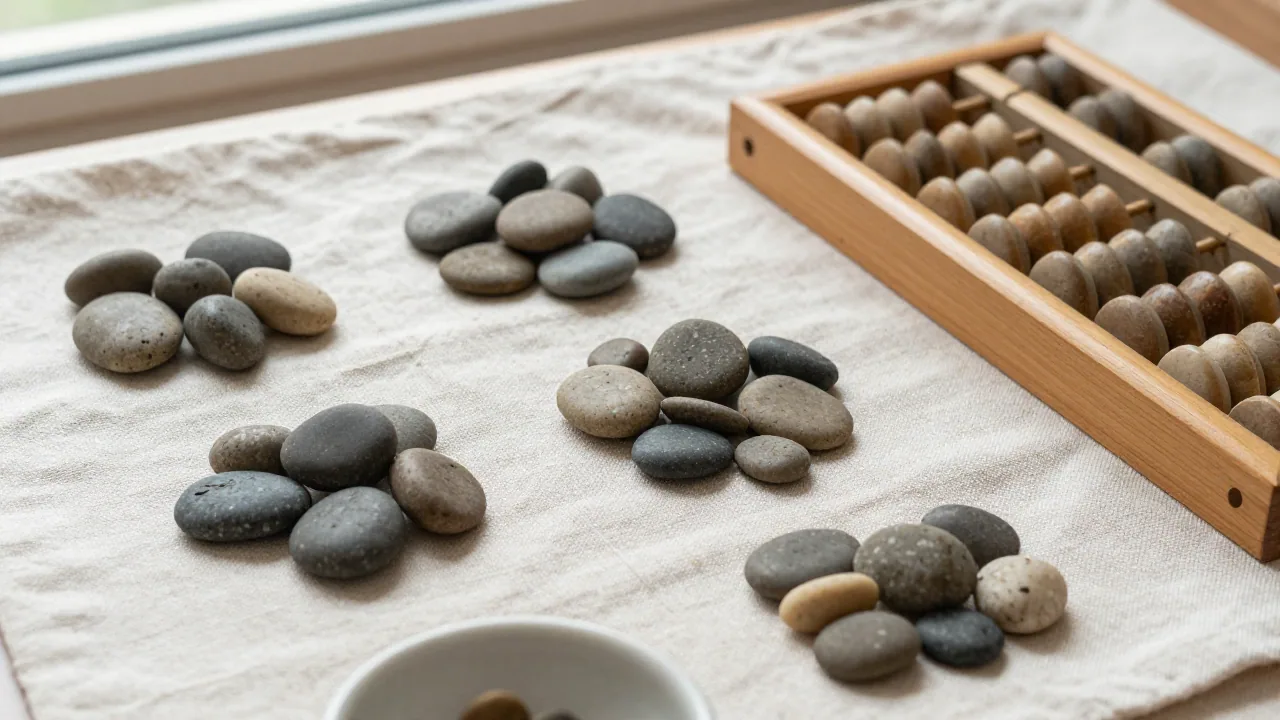
A clean record is the easiest way to spot an error. Keep the original input on one line, then show each digit or letter value used by the method beneath it.
If letters are part of the calculation, record the alphabet chart before reducing the total. If the method uses only digits, do not add letters just because another numerology page does.
When an input has spaces, hyphens, or repeated letters, keep the original form visible in your notes. The goal is not speed; it is making the calculation repeatable.
Step through reduction without mixing systems
Add the digits in one visible pass, then reduce the total according to the rule you selected. For example, a two-digit subtotal may reduce again unless the method preserves a master number.
Do not switch charts or exceptions halfway through a calculation. If one source keeps 11, 22, or 33 and another reduces every total, choose one convention and label it.
A useful numerology note shows the path from input to subtotal to final number. That makes the interpretation easier to review later.

Handle master-number mistakes
Master-number rules are a common source of confusion because not every numerology convention treats them the same way. Some readers pause at 11, 22, or 33; others reduce the number fully.
Before interpreting a result, check whether the method you followed has a master-number exception and whether your subtotal actually reaches that value. Guessing after the fact weakens the record.
If you are comparing two sources, write both outcomes side by side rather than merging them. The comparison is more honest than pretending there is one universal calculation.
Interpret the result boundary
After the arithmetic is clear, keep the interpretation modest. Numerology language is symbolic and cultural, so the result should be read as a reflection prompt rather than proof.
Tie the note back to the original question. A number can suggest a theme to consider, but ordinary evidence, responsibilities, budgets, safety, and professional advice still matter more for real decisions.
The best final record is short: input, method, reduction path, final number, and one practical observation. That is enough to make the calculation useful without overclaiming what it can do.

How to Calculate Numerology Numbers Without Mixing Rules reader checks
- one calculation rule before adding
- Write each input exactly as used
- Reduce totals only under the chosen convention
- master-number exceptions visible
- the result as symbolic context
How to Calculate Numerology Numbers Without Mixing Rules reader questions
What should I write down before calculating numerology?
Write the original input, the method or chart being used, each subtotal, and the final reduced number so the calculation can be checked later.
Do all numerology methods reduce numbers the same way?
No. Some methods use different input rules, letter charts, or master-number exceptions, so the method should be named before interpreting the result.
Should 11, 22, and 33 always stay unreduced?
Not always. Master-number treatment depends on the convention being followed; if your source does not preserve them, reduce consistently.
Can a numerology result make a decision for me?
No. It can be used as symbolic context or a reflection prompt, but it should not replace evidence, professional advice, or practical judgment.
Why is mixing numerology systems a problem?
Mixing systems makes the result hard to repeat and easy to overinterpret because the calculation no longer follows one clear rule set.