Numerology vs Lucky Numbers: Calculation, Symbol, and Everyday Use
Compare numerology vs lucky numbers through calculation, cultural use, and practical limits so you can tell what each system is actually doing.
Numerology and lucky numbers are not the same thing. Numerology usually starts with a calculation and then applies symbolic interpretation, while lucky numbers are often chosen through culture, habit, preference, or tradition; neither system can guarantee a future result.
Numerology vs lucky numbers facts
- Main difference
- Numerology usually starts with a calculation, while lucky numbers are often chosen through culture, habit, or preference.
- Numerology source
- A numerology reading commonly depends on birth date, name, or another defined calculation method before interpretation begins.
- Lucky-number source
- Lucky numbers often come from family custom, regional symbolism, popular culture, gifts, dates, or personal comfort.
- Best use
- Use the comparison to check whether a tool result, charm, date choice, or conversation is symbolic context or a calculated reading.
- Claim boundary
- Neither numerology nor lucky numbers can guarantee an outcome or replace direct evidence for a real decision.
Numerology vs lucky numbers: start with the source
The cleanest way to separate numerology from lucky numbers is to ask where the number came from. If the number was produced by a calculation, a chart method, or a named reading system, you are usually looking at numerology. If the number was chosen because it feels favorable, appears in family custom, sounds positive, or is widely treated as fortunate in a culture, you are usually looking at a lucky-number idea instead.
That first distinction matters because the two systems often get mixed in casual conversation. A page may mention a life path number and then slide into broad lucky-number language. A gift suggestion may mention a culturally favored number and then borrow numerology vocabulary to make the recommendation feel deeper than it is. Readers need a practical way to sort those moves before they treat a number as meaningful.
A good comparison therefore begins with origin rather than symbolism. Ask whether the number was calculated, selected, inherited, or simply preferred. Once the source is clear, the meaning and the limits of the number are much easier to keep in proportion.
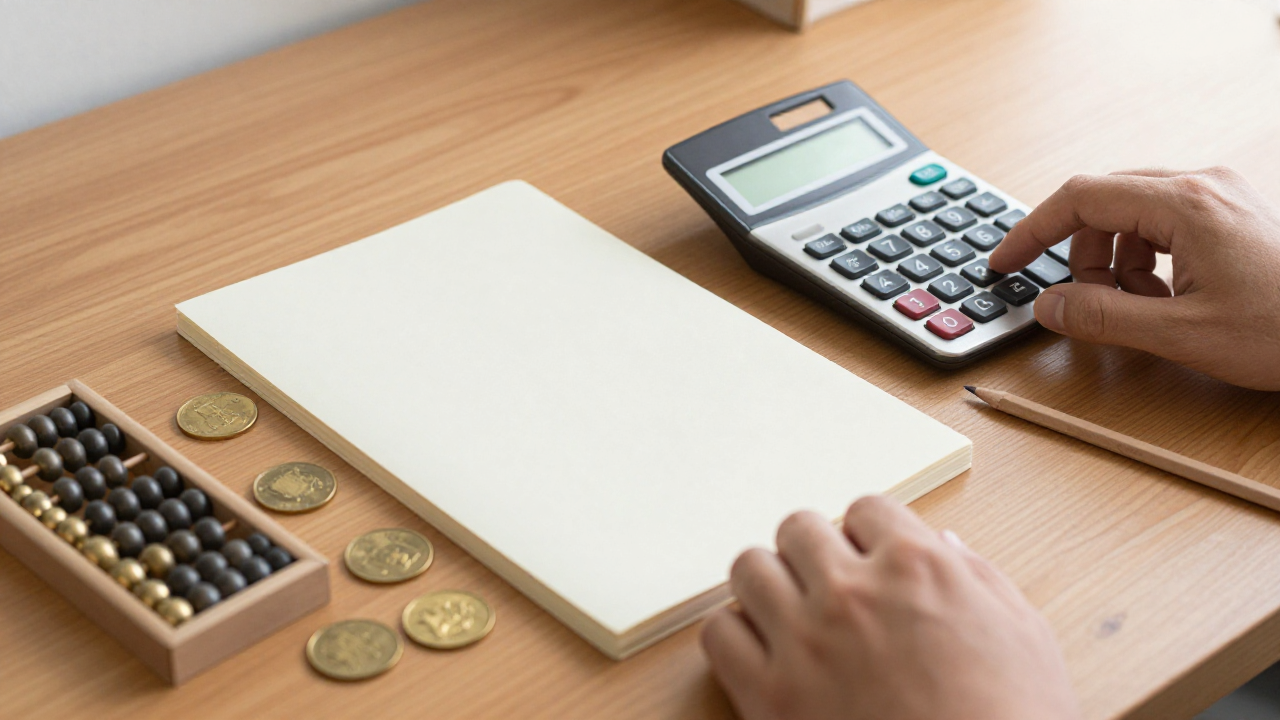
Numerology uses a calculation while lucky numbers do not need one
Numerology is usually structured around a method. A life path number, name number, destiny number, or personal year number starts with defined inputs and a calculation step before any symbolic language appears. That does not make the interpretation scientific, but it does mean numerology is trying to be internally consistent about how a number is produced.
Because there is a method, the first practical check in numerology is always the input. Was the full birth date used? Was the name spelled the intended way? Did the calculator follow one reduction system? If the input is weak or the method changes midstream, the interpretation becomes less stable. This is why numerology pages should explain both the calculation source and the limit of the reading.
The useful part of numerology is often reflective rather than predictive. A calculated result can help a reader think about themes, habits, or patterns, but it does not prove character and it does not remove the need for ordinary evidence in work, relationships, money, health, or legal choices.
Lucky numbers can vary by culture while numerology follows a method
Lucky numbers are often more flexible. A family may favor a number in gifts, room choices, or celebration dates because it sounds auspicious, repeats in a cultural tradition, or simply feels positive. Another family in another place may prefer a different number or may not care at all. The number can still matter symbolically, but its source is cultural preference rather than a calculation output.
This is why lucky numbers often appear around buying, gifting, decoration, and casual decision-making. Someone may prefer a repeated number in a phone selection, a wedding detail, a red-envelope amount, or a charm bracelet. The meaning comes from use and context, not from a chart that claims to derive the number from a personal input.
Once that is clear, the page can treat lucky numbers respectfully without pretending they are universal. A favored number can be a meaningful cultural choice, while still remaining a preference instead of a rule that predicts what will happen next.
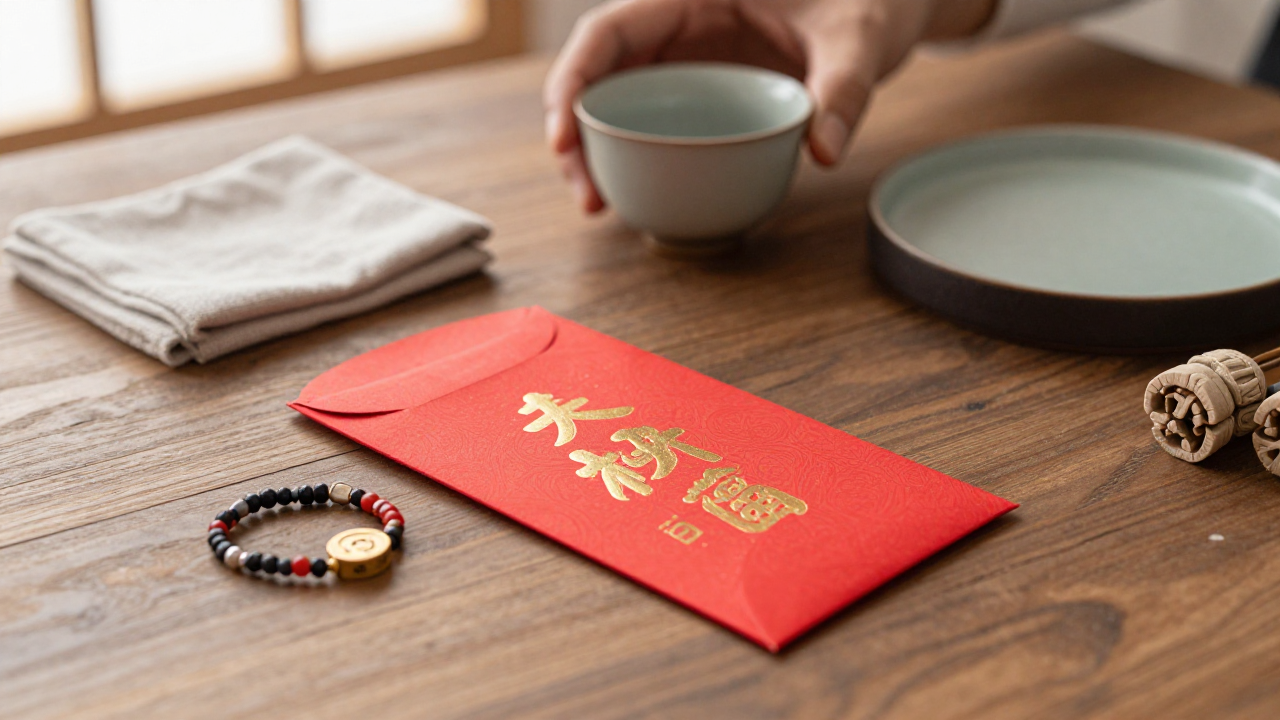
Where numerology and lucky numbers overlap in everyday use
This is where many weak pages lose discipline. Numerology language can become overconfident because the calculation makes it sound authoritative. Lucky-number language can become overconfident because cultural symbolism feels emotionally persuasive. In both cases, the risk is the same: a symbolic framework starts speaking as if it can promise a result.
A better rule is to ask what decision the number is really influencing. If the number is helping a person reflect, choose a gift, or frame a conversation, symbolic language may be enough. If the number is being asked to justify money, health, safety, compatibility, or a major commitment, the page should say clearly that evidence and qualified advice belong first.
That boundary makes the comparison more useful. It allows numerology and lucky-number culture to remain meaningful without being forced into claims they cannot support.
Why neither numerology nor lucky numbers can guarantee an outcome
The comparison becomes practical when a real choice appears. If a calculator gives a number, treat it as numerology and check the method before reading the symbolism. If a gift, charm, or date choice is being discussed, ask whether the number is culturally favored, personally preferred, or simply convenient. Those questions keep the next step grounded.
A reader can also use the comparison to improve navigation across the site. Pages about life path numbers, name numbers, and personal years belong on the numerology side because they start with calculated inputs. A page about why a number feels lucky belongs on the cultural-preference side because it depends on habit, symbolism, and context rather than chart math.
In short, numerology and lucky numbers can overlap in conversation, but they should not be treated as identical. Check the source, choose the right context, and keep symbolic meaning separate from any claim of guaranteed results.
A source check before you trust the meaning
- Ask whether the number was calculated or simply chosen.
- If it is numerology, verify the input and method before interpretation.
- If it is a lucky number, identify whether the meaning comes from family custom, culture, or personal preference.
- Keep symbolic language out of high-stakes decisions unless ordinary evidence supports the action.
- Use the comparison to choose the right next page, tool, or conversation.
Numerology vs lucky-number questions
What is the difference between numerology and lucky numbers?
Numerology usually begins with a calculation and then applies symbolic interpretation, while lucky numbers are often chosen through culture, habit, or personal preference.
Does numerology require a calculation?
Usually yes. Numerology systems commonly rely on inputs such as a birth date or name before the symbolic reading begins.
Are lucky numbers the same in every culture?
No. Lucky-number preferences can vary by culture, language, family, and personal experience, so they should not be treated as universal.
Can numerology or lucky numbers predict what will happen?
No. Both are symbolic frameworks. They can support reflection or cultural expression, but they cannot guarantee an outcome or replace direct evidence.